Atlas Observatory: Comparison Tool
Analyze the morphological and ecological vitality of Toronto's public realm. Select up to three parks to view side-by-side data visualizations and qualitative urban-DNA profiles.
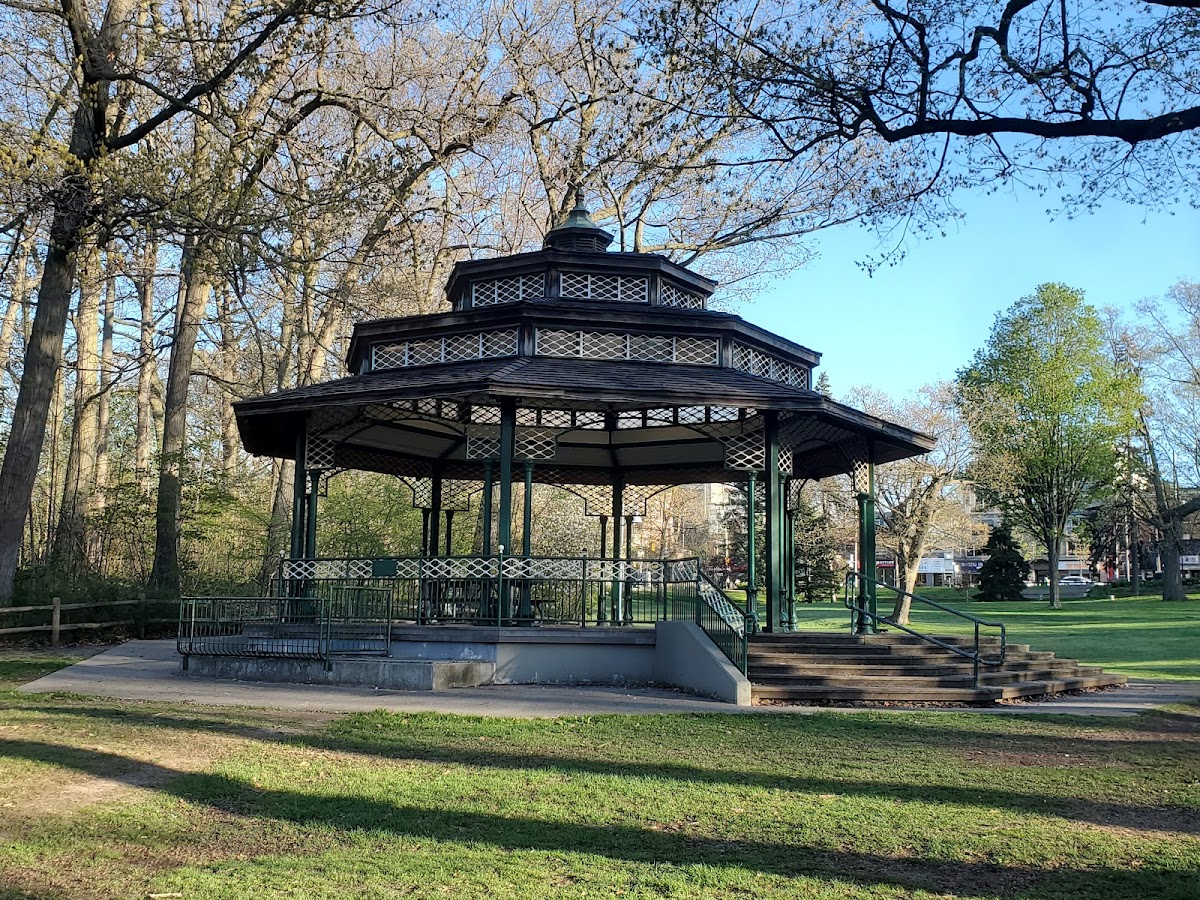
Kew Gardens
Vitality Score
7.5/10
Data Confidence
TypologyNeighbourhood Park
NeighbourhoodThe Beaches
Strongest dimensionEdge activation · 80
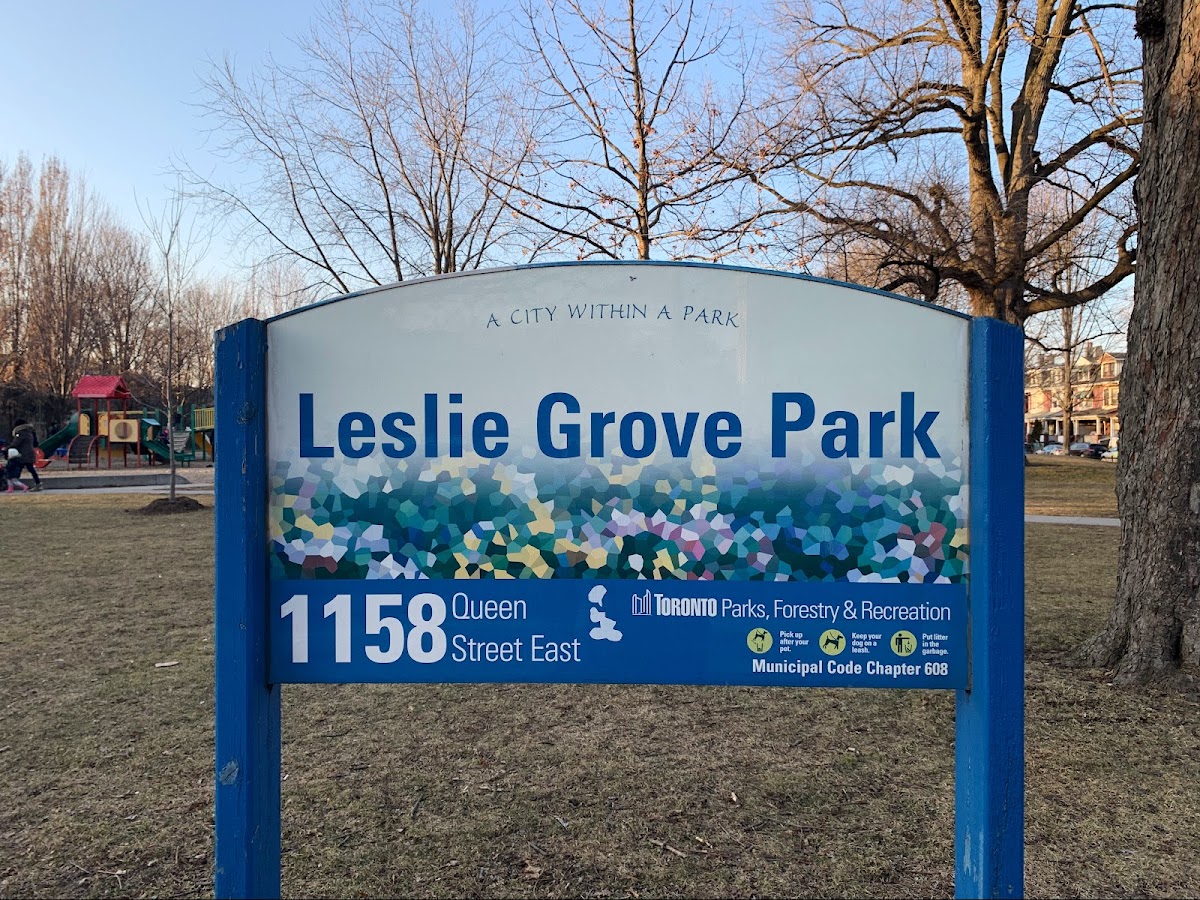
Leslie Grove Park
Vitality Score
7.3/10
Data Confidence
Profile overlay
Five-axis radar across edge activation, connectivity, amenity diversity, natural comfort, and enclosure.
Urban DNA Analysis
| Metric | Kew Gardens | Leslie Grove Park |
|---|---|---|
| Edge activation | 80 / 100 | 88 / 100 |
| Connectivity | 80 / 100 | 77 / 100 |
| Amenity diversity | 62 / 100 | 51 / 100 |
| Natural comfort | 66 / 100 | 42 / 100 |
| Enclosure | 77 / 100 | 88 / 100 |
| Border-vacuum risk (lower is better) | 12 / 100 | 0 / 100 |
| Area | 8.06 ha | 0.76 ha |
| Confidence | 72% | 72% |
| Citywide percentile | 100th | 100th |
| Typology percentile | 100th | 100th |
| Expected (similar parks) | 39 / 100 | 37 / 100 |
| Performance gap | +35 · strong overperformer | +36 · strong overperformer |
Getting around
Paths, seating and parking as mapped in OpenStreetMap. Descriptive only, not part of the vitality score.
| Metric | Kew Gardens | Leslie Grove Park |
|---|---|---|
| Paved paths | 77% paved | 100% paved |
| Steps on paths | None mapped | None mapped |
| Distance to a bench (far end) | 56 m | 55 m |
| Parking within 200 m | 4 lots | 2 lots |
Synthesized Comparison
Two civic registers, comparable strength
Kew Gardens currently scores 75 / 100, with its strongest signal in edge activation. This is a Neighbourhood Park. Read its full breakdown for tradeoffs.
Leslie Grove Park scores 73 / 100. Its leading dimension is edge activation. The gap of 2 points reflects what each park is asked to do, not which is "better."